Dawadawa, iru, soumbala: one seasoning, many names
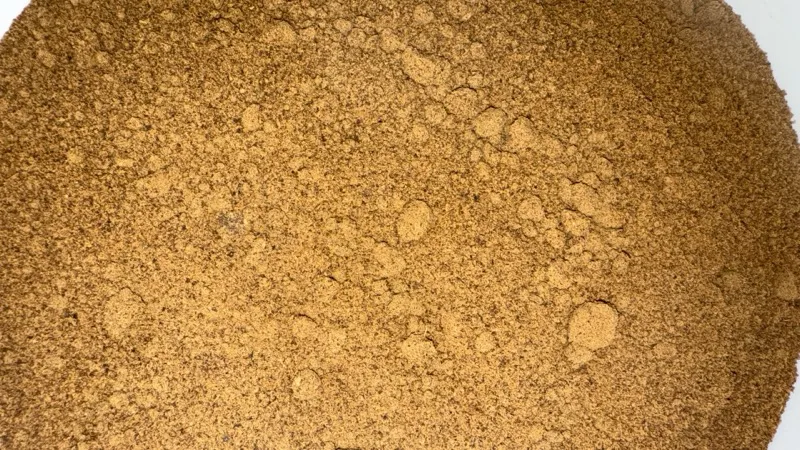
In short: dawadawa, known in English as African locust bean, is what we call netetou in Senegal. Same product: fermented seeds of the néré tree, the natural seasoning that replaced stock cubes long before they were invented.
One day I came across a video of a Ghanaian cook talking about dawadawa. I smiled: he was describing my netetou exactly. Same seed, same smell that sends some people running and makes others hungry, same job in the pot. From one end of West Africa to the other, it is the same story with a different name.
What is dawadawa?
Dawadawa is a fermented West African seasoning made from the seeds of the néré tree (Parkia biglobosa), the African locust bean. Its job: a 100 % natural flavour enhancer, the deep umami that gives power to sauces, soups and stews.
One product, many names
- Netetou: in Senegal (the Wolof name).
- Soumbala: in Mali and Burkina Faso.
- Soumbara: in Guinea and Côte d'Ivoire.
- Dawadawa: in Ghana and northern Nigeria.
- Iru: among the Yoruba, in Nigeria.
- African locust bean: the English name used across the diaspora.
Same tree, same seed, same fermentation, same use. If you are looking for dawadawa or iru and you find netetou, look no further.
How it is made (five days of patience)
1. The seed
It all starts with the néré fruit: a pod with a sweet yellow pulp that people eat, and hard seeds inside. Only the seeds become dawadawa.
2. The long boil
The seeds are boiled for a very long time, almost a whole day, over a wood fire, because they are hard. Then they are hulled.
3. The fermentation
This is the heart of the process. The seeds are well covered and left to ferment for several days. That is when, as we say at home, “the smell comes in”: the fermentation that gives dawadawa its powerful aroma and all its taste.
4. Drying and final shape
Around the fifth day, the seeds are dried in the sun for a few hours. Then, depending on local habits, they are pounded into powder or shaped into balls. Two shapes, one seasoning.
The “Maggi” before Maggi
As my grandmother used to say: before stock cubes, there was néré. You crushed the dawadawa in a little water, added salt and a pinch of chilli, let it simmer, and the sauce already had all its taste. That is why the néré is nicknamed “the Maggi tree”.
That smell (don't let it scare you)
Yes, dawadawa smells strong. Raw, it is surprising, and many people don't dare because of it. But the smell disappears with cooking and leaves a depth of taste no cube can replace. The smell is the signature of fermentation: the sign that it is the real thing.
How to cook with it
Crush or crumble a spoonful into your sauce at the start of cooking, as you would with a stock cube. In Senegal it goes into thieboudienne, into the stuffing of the fish, and into many sauces.
Where to buy dawadawa (netetou)
In our shop you will find netetou prepared the traditional way: powder (ready to use), dome and bar (to crush yourself), 5 € per 100 g, and Netetou Mix, my own blend with dried shrimp and kéthiakh (smoked fish).
Shipping: France and Europe from our online shop. UK from €18.99, the Americas and Asia from €35.19 with Colissimo International (tracked). See all shipping rates. We do not ship to Africa.
Frequently asked questions about dawadawa
What is dawadawa?
A West African fermented seasoning made from the seeds of the African locust bean tree (néré, Parkia biglobosa). It gives a deep, natural umami taste to sauces and soups.
Are dawadawa, iru, soumbala and netetou the same?
Yes, the same product under different names: netetou in Senegal, soumbala in Mali and Burkina Faso, soumbara in Guinea and Côte d'Ivoire, dawadawa in Ghana and northern Nigeria, iru among the Yoruba.
How is dawadawa made?
The seeds are boiled for almost a whole day, fermented for several days, dried in the sun, then pounded into powder or shaped into balls. About five days in all.
Why does it smell so strong?
That is the fermentation. The smell goes away with cooking and leaves a deep umami taste: the signature of the real thing.
Where can I buy dawadawa (netetou)?
Louma by Seggfaye sells netetou as a powder, a dome, a bar and a ready-made mix, shipped across Europe, the UK, the Americas and Asia (Colissimo International).
Read next
Cymbium (yeet): the other “African Maggi”