Bissap: the hibiscus tea all of Senegal drinks
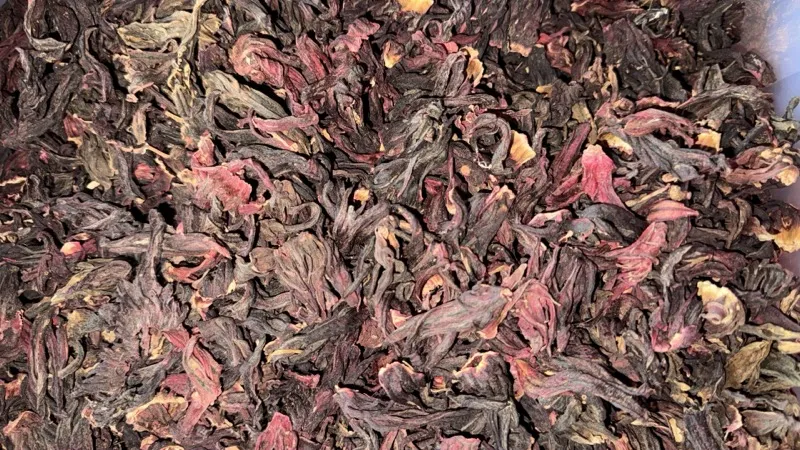
In short: bissap is the Wolof name for hibiscus (Hibiscus sabdariffa, also called roselle). In Nigeria it is zobo, in Ghana sobolo, in the Caribbean sorrel, in Egypt karkadé. Its dried calyces, red or white, make iced juice, hot hibiscus tea and even a cooking ingredient. Rich in vitamin C, no caffeine.
If Senegal had a taste, it might be this one. Bissap is everywhere at home: in the calabashes at naming ceremonies, in the iced cups sold at the market, in the teapot in the evening. But behind the red juice everyone knows, there is a plant with several faces, and real differences in quality. Here is everything I know about this flower.
What is bissap?
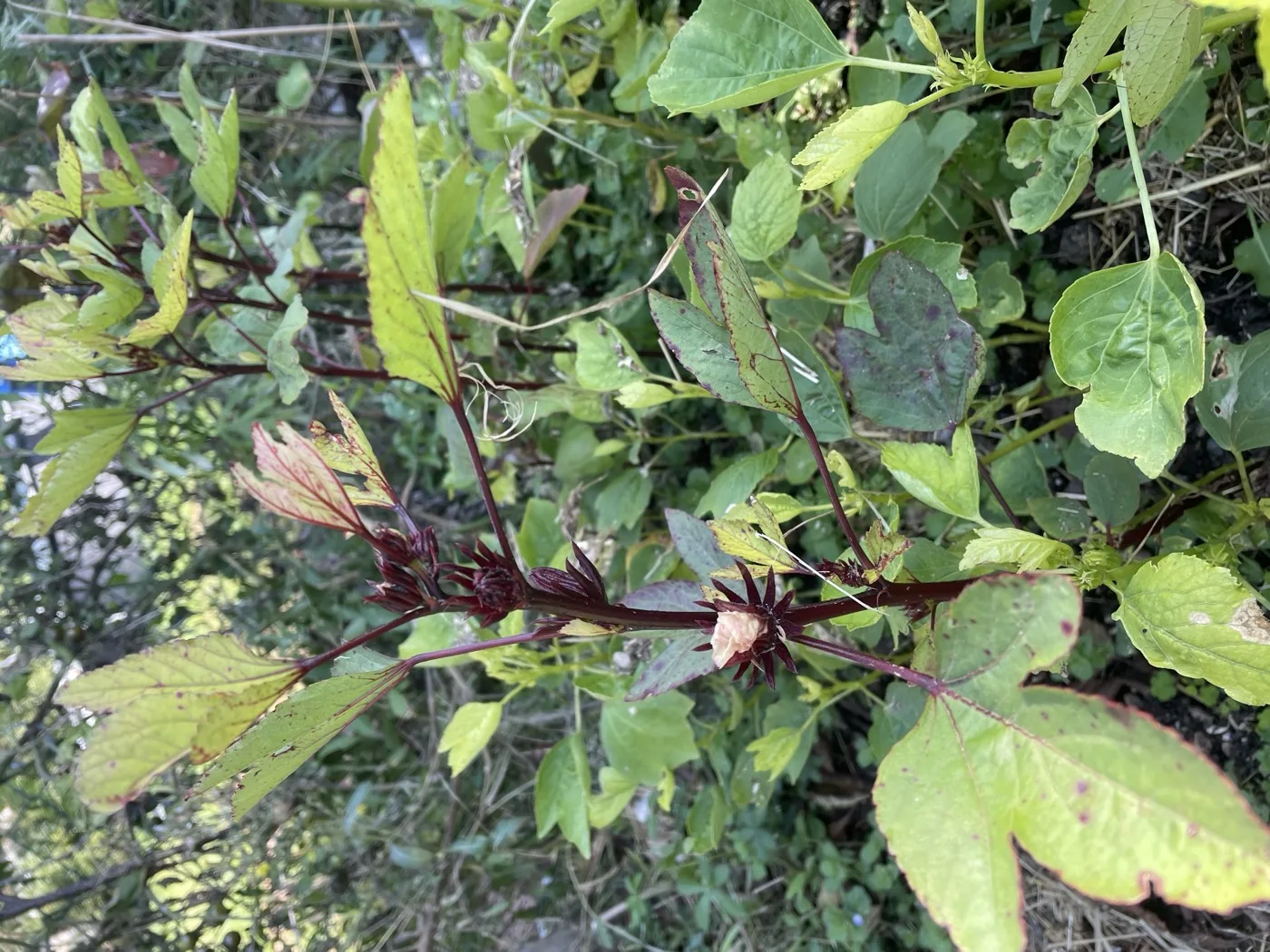
Bissap is Hibiscus sabdariffa. Careful: it is not the big ornamental hibiscus of gardens. What we harvest and dry are its calyces, the fleshy cup that surrounds the flower bud.
Once dried, the calyces keep for months and release their colour, their sharp tanginess and their aroma when infused.
One flower, many names: zobo, sobolo, sorrel, karkadé
- Bissap: Senegal (Wolof).
- Zobo: Nigeria.
- Sobolo: Ghana.
- Sorrel: Jamaica and the Caribbean.
- Karkadé: Egypt and Sudan.
- Folere: Cameroon. Dableni: Mali.
- Agua de Jamaica: Mexico.
Same flower, same drink. If you grew up with zobo or sorrel, bissap will taste like home. My flowers come from the Kaolack region, around Keur Madiabel, known for its intense, almost garnet-red bissap. That deep red is what separates good bissap from dull flowers.
Red bissap or white bissap?
Red: intensity
This is the classic juice: garnet red, tangy, intense. The deeper the colour of the calyces, the more character the juice has. It is the bissap of big occasions as well as everyday life.
White: the secret
Less known and rarer: white bissap (bissap wekh), with pale calyces. Its juice is milder, less tangy, with a light colour that surprises people who only know the red one. In cooking, it brings acidity without changing the colour of the dish. Many Senegalese families keep it for those in the know.
How to make iced hibiscus tea, the Senegalese way
For 2 litres: 100 g dried red bissap, 1.5 litres water, about 300 g sugar (to taste), fresh mint, a little vanilla, orange blossom water, ice. Optional: grated ginger or lemon juice.
- Infuse: bring the water to the boil, add the flowers, infuse for 15 minutes, then strain. The colour should be deep red.
- Sweeten and flavour: stir the sugar into the hot infusion, then add the mint, vanilla and orange blossom. That trio is what makes the “homemade” taste.
- Chill: let it cool, then refrigerate for at least 2 hours. Bissap is drunk very cold, never lukewarm.
- Serve: with ice and a sprig of mint.
Cold-brew version (milder): leave the flowers to infuse in cold water in the fridge for 4 hours. Less tangy, perfect for a first taste.
Hot hibiscus tea: a handful of flowers in simmering water for 10 minutes, a little honey, and you have the evening version.
Syrup: a very concentrated, sweetened juice to dilute with still or sparkling water.
Bissap in the kitchen: beugeuc and rank
Bissap is not only a drink. Its dried leaves, beugeuc, are a seasoning in Senegalese cooking that brings a tangy, green note to sauces. And with fresh white bissap flowers, we make rank, a sauce cousin of beugeuc. Beugeuc comes from the leaves, rank from the flowers: two sauces, one plant.
Benefits of bissap
- Rich in vitamin C, one of the reasons it is drunk so much in the hot season.
- Full of natural antioxidants: anthocyanins, the same pigments as in red berries, give it its garnet colour.
- No theine, no caffeine: the whole family can drink it at any time of day.
- Thirst-quenching like nothing else: no bubbles, no colouring, and far less sugar than a soda if you sweeten it yourself.
As always: bissap is a traditional drink to enjoy. It does not cure any disease and does not replace medical advice.
How to choose good dried hibiscus flowers
- Colour: deep red, almost garnet, not washed out.
- Whole calyces, not dusty broken bits at the bottom of the bag.
- Clean drying: well-dried flowers with no damp smell.
- Origin: ask where the flowers come from. Mine come from Kaolack, and I say so.
Where to buy bissap (dried hibiscus flowers)
In our shop: red bissap from Kaolack, 5 € per 150 g, and beugeuc (bissap leaves), 10 € per 300 g. White bissap is currently out of stock.
Shipping: France and Europe from our online shop. UK from €18.99, the Americas and Asia from €35.19 with Colissimo International (tracked). See all shipping rates. We do not ship to Africa.
Frequently asked questions about bissap
What is bissap?
Bissap is the Wolof (Senegalese) name for Hibiscus sabdariffa, also called roselle. Its dried calyces, red or white, make iced juice, hot hibiscus tea and even a cooking ingredient (the leaves, called beugeuc).
Are bissap, zobo, sorrel and karkadé the same?
Yes, the same flower under different names: bissap in Senegal, zobo in Nigeria, sobolo in Ghana, sorrel in the Caribbean, karkadé in Egypt, folere in Cameroon, dableni in Mali and agua de Jamaica in Mexico.
How do you make hibiscus tea the Senegalese way?
Infuse 100 g of dried red bissap in 1.5 litres of boiling water for 15 minutes, strain, add sugar to taste, fresh mint, a little vanilla and orange blossom water, then chill for at least 2 hours and serve with ice.
What is the difference between red and white bissap?
Red bissap gives the classic deep red, tangy juice. White bissap is rarer, milder and less tangy; in cooking it adds acidity without colouring the dish.
Is bissap good for you?
Bissap is naturally rich in vitamin C and anthocyanins (antioxidants) and contains no caffeine or theine. It is a traditional drink to enjoy, not a medicine, and does not replace medical advice.
Where can I buy dried hibiscus flowers (bissap)?
Louma by Seggfaye sells red bissap from Kaolack (Senegal), 5 € per 150 g, and bissap leaves (beugeuc), shipped across Europe, the UK, the Americas and Asia.
Read next
Fish names in Wolof: the atlas of 77 species