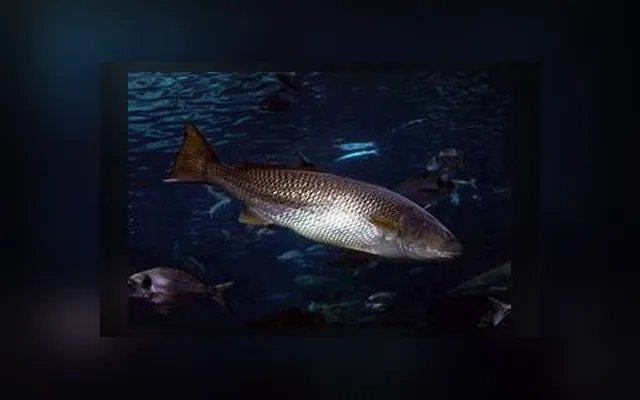
Bottom
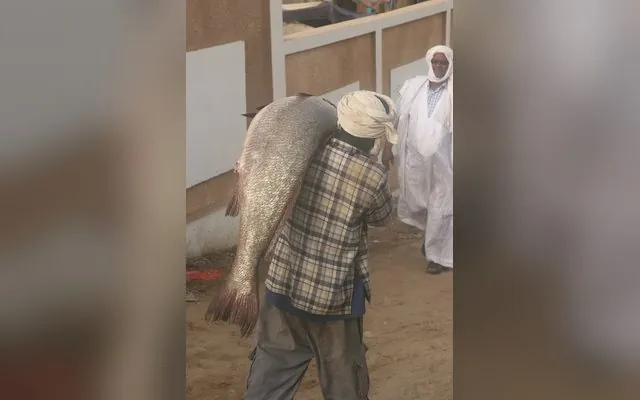
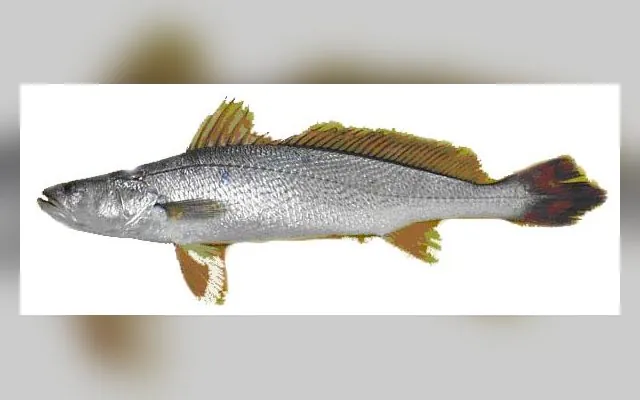
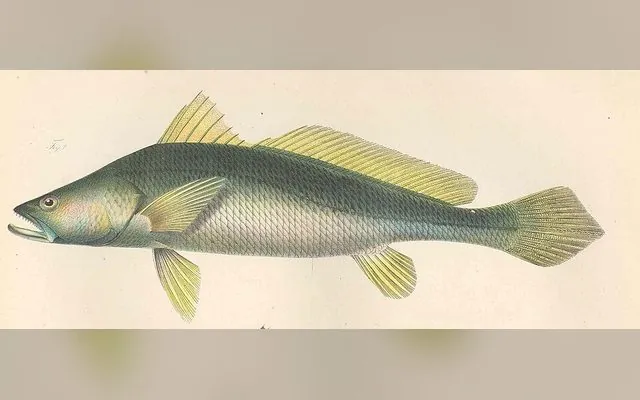
Berr, sekebi
Bër, seqebi
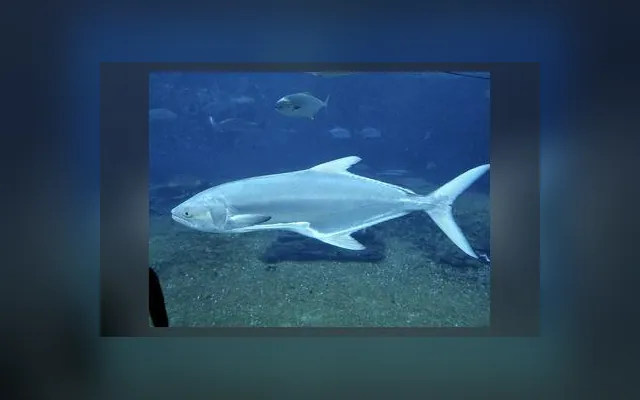
Meagre
Courbine
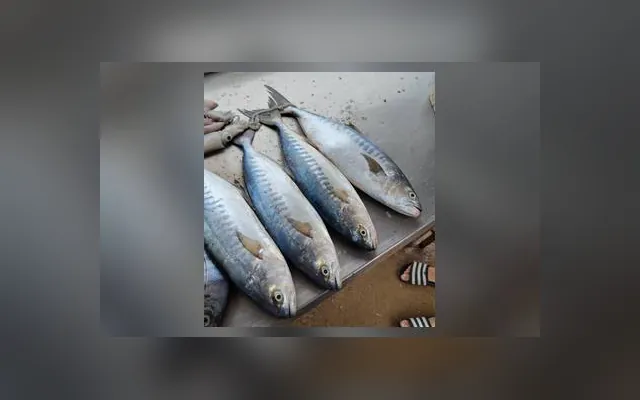
Sold at LoumaGuedj beurre“beurre” is the French spelling of “berr”Argyrosomus règiuscorrect spelling: Argyrosomus regius
Louma by Seggfaye · the Guedjologue
Every fish has a name before it has a price.
The 77 marine species of Senegal (fish, shellfish and crustaceans) with their Wolof, English, French and scientific names. The 18 gold-bordered cards are the ones that become a product in our shop: one click opens the product page (in French).
Based on the charts Espèces démersales and Espèces pélagiques marines du Sénégal by the CRODT, Senegal’s oceanographic research centre, read at full zoom and cross-checked with the FishBase list of Wolof and Lebu names. Official Wolof is reproduced exactly as on the chart; when the chart misspells a Latin name, the valid scientific spelling is shown under the card.
Two spellings, one fish. The chart writes Wolof in the official alphabet; markets and our shop use a French-style spelling: c → th, x → kh, j → di, ñ → gn. So Coof is the thiof, Njaane the diane, Sipax the cipakh shrimp, Paañ the pagne. The Latin name proves it every time.
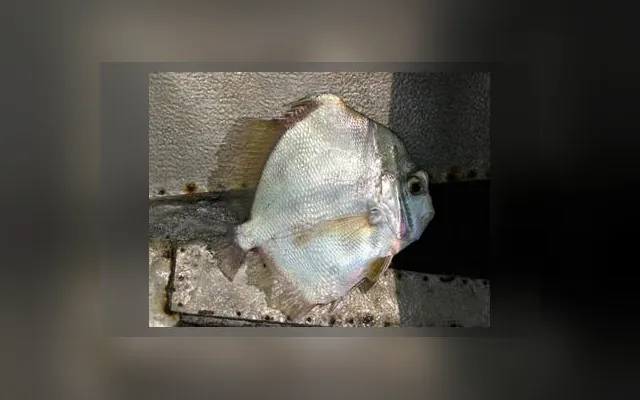
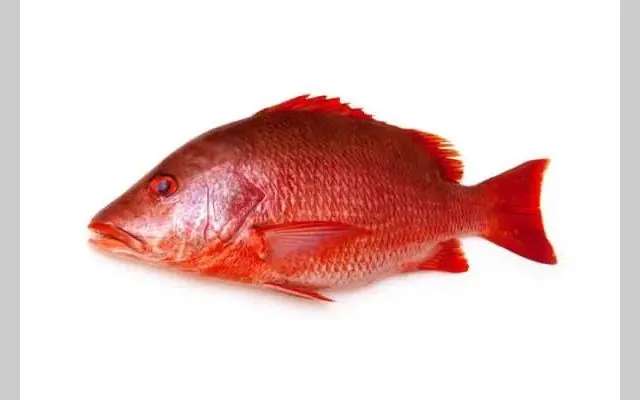
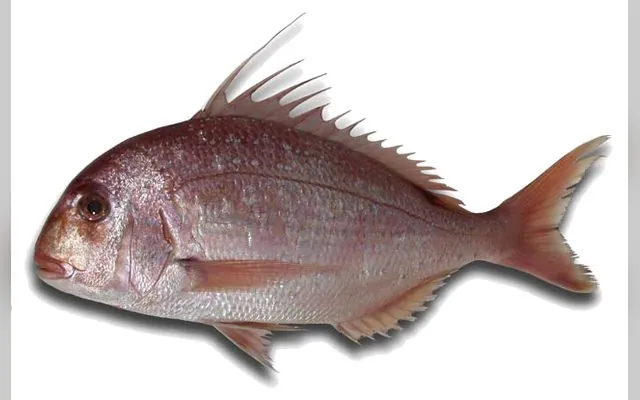
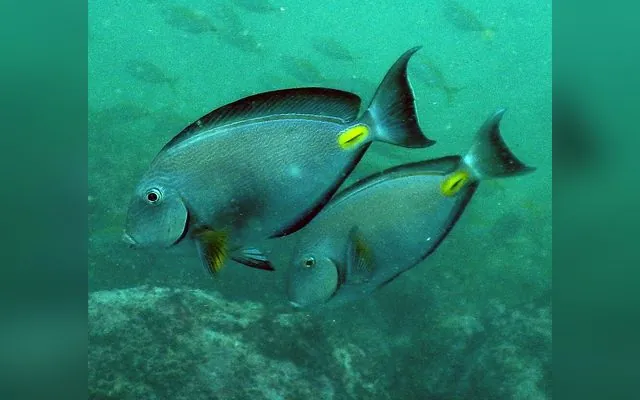
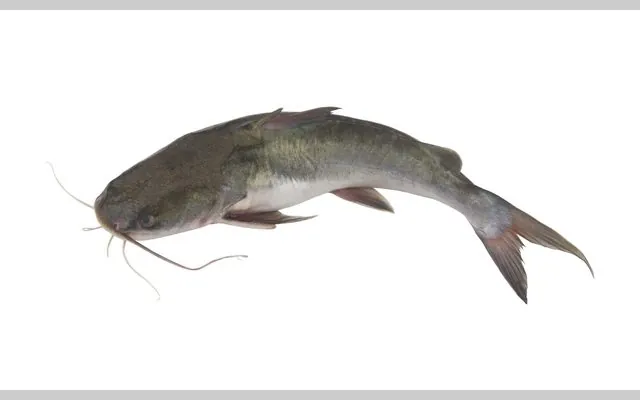
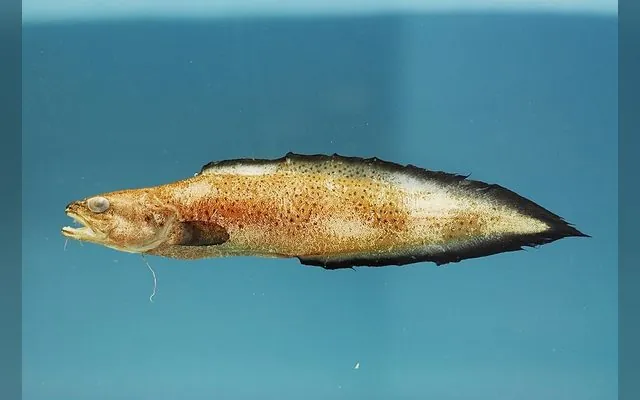
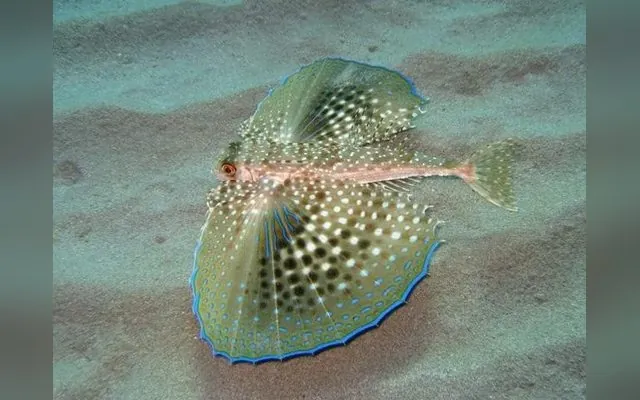
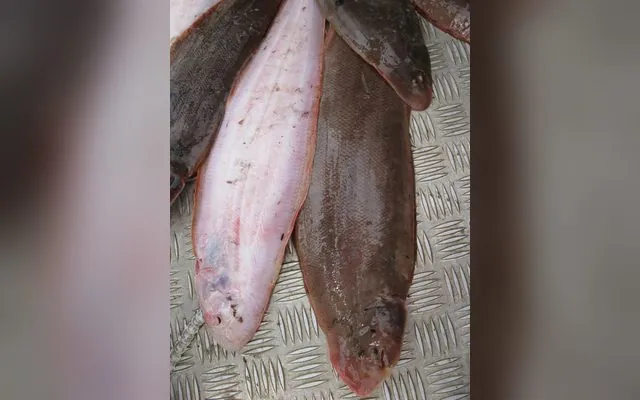
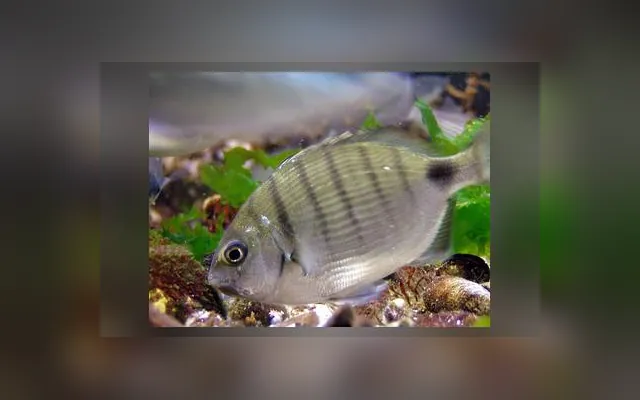
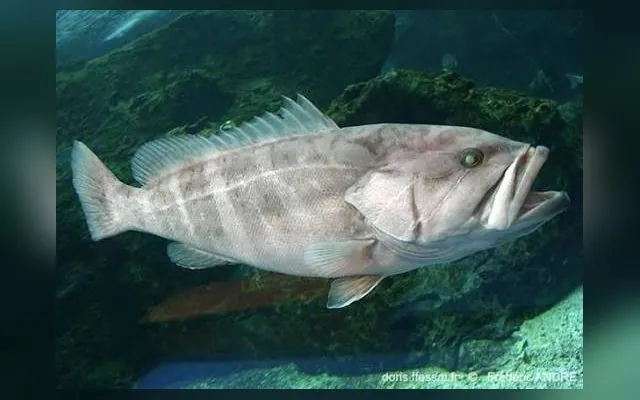
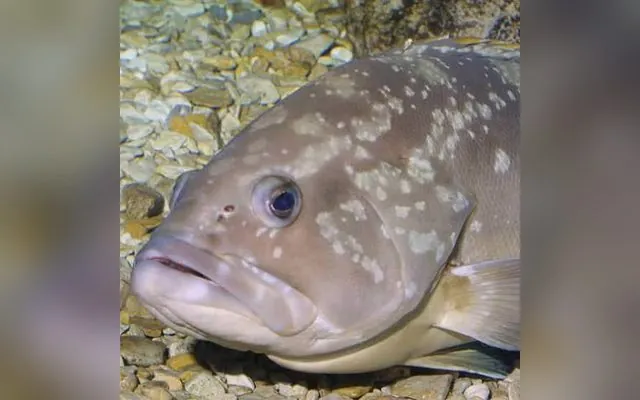
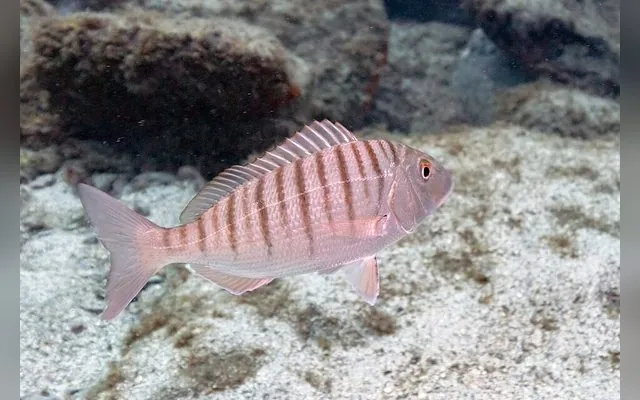
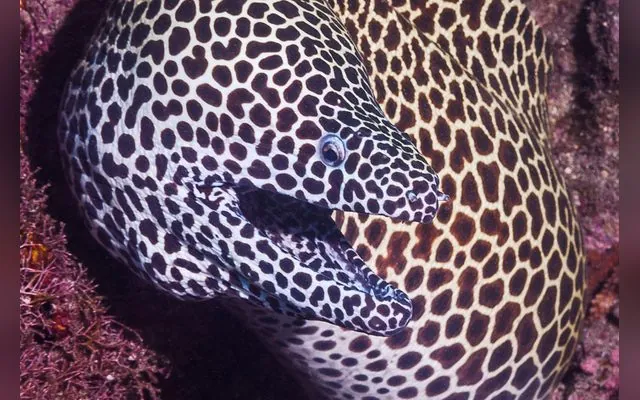
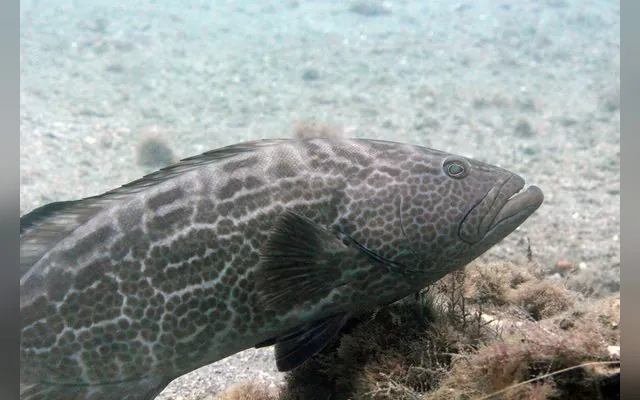
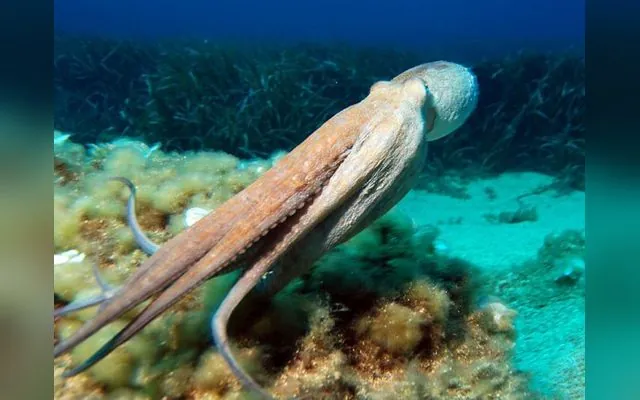
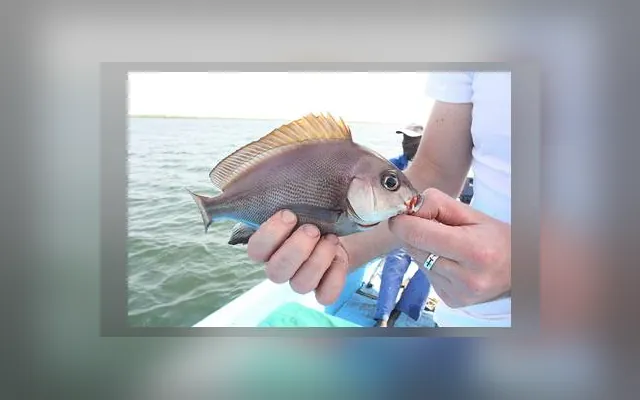
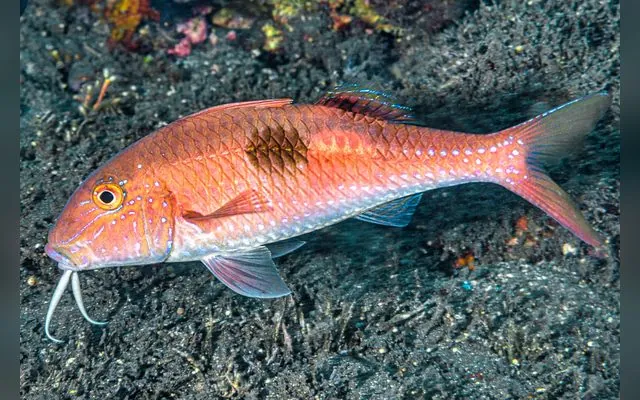
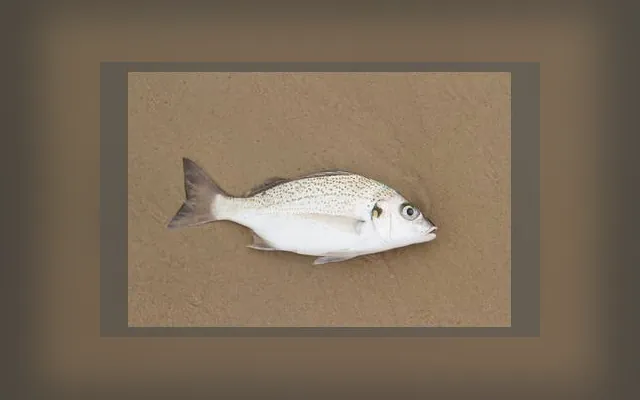
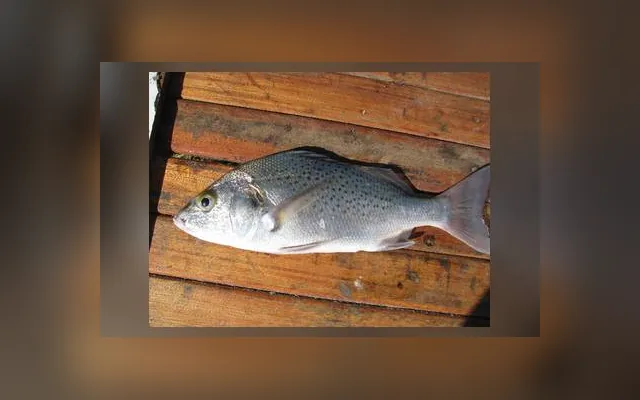
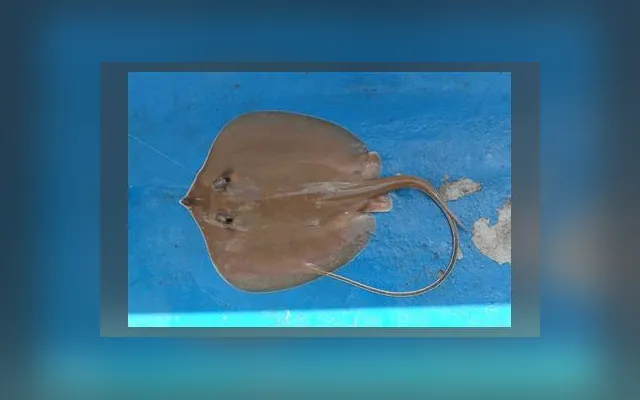
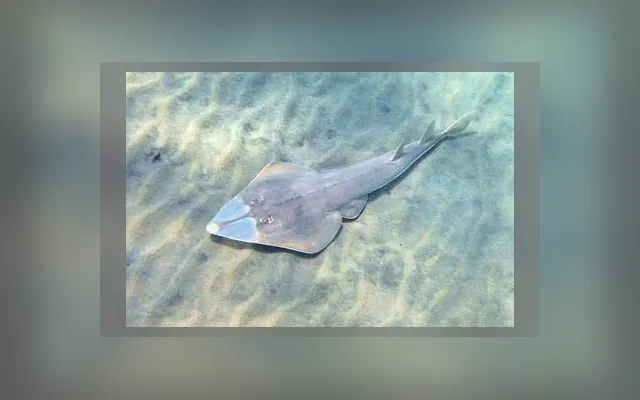
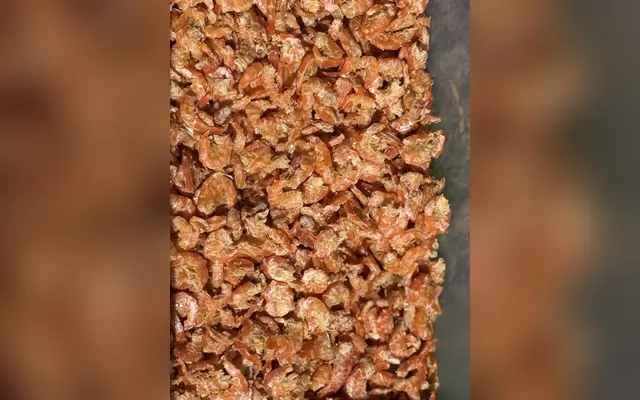
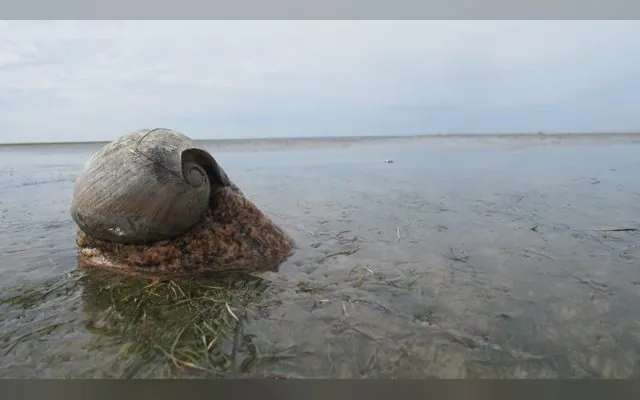
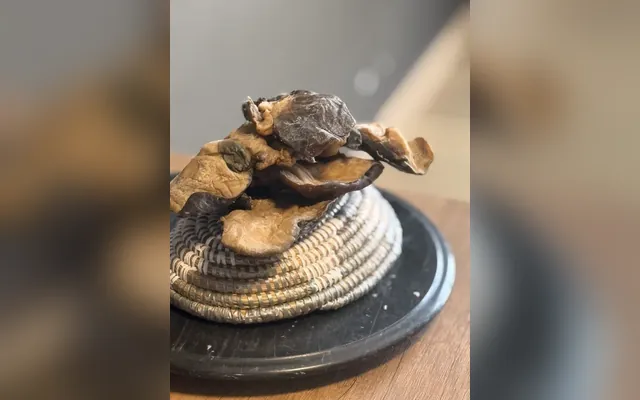
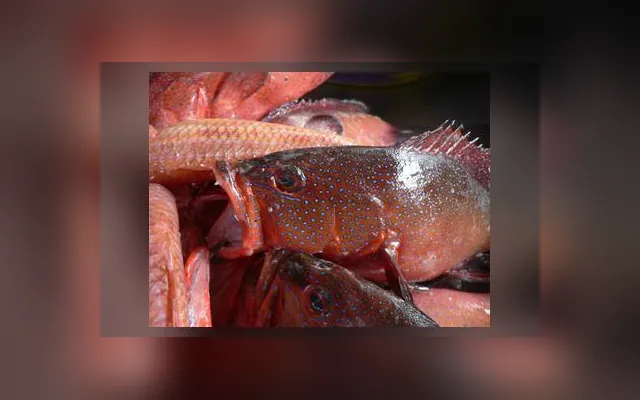
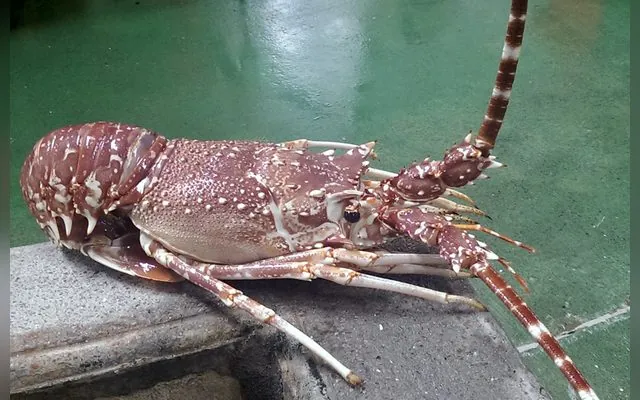
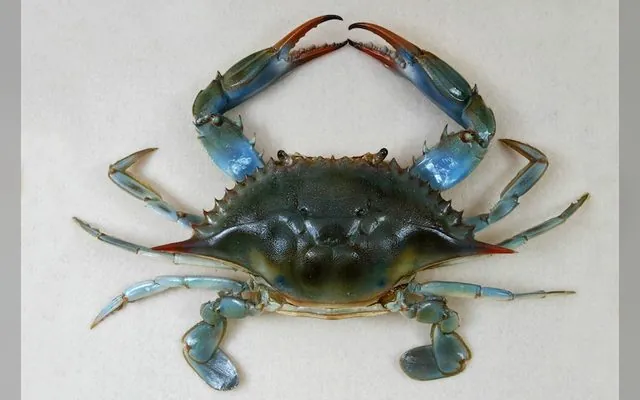
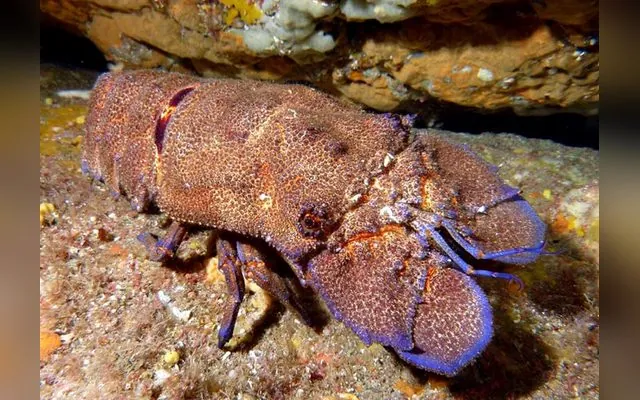
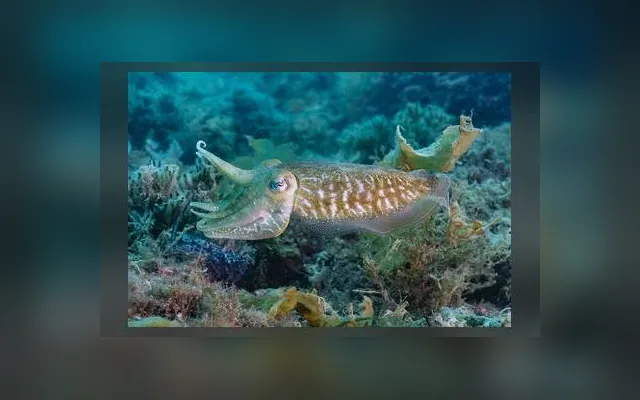
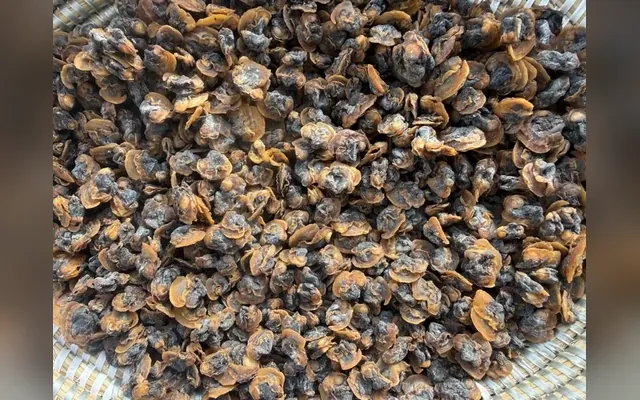
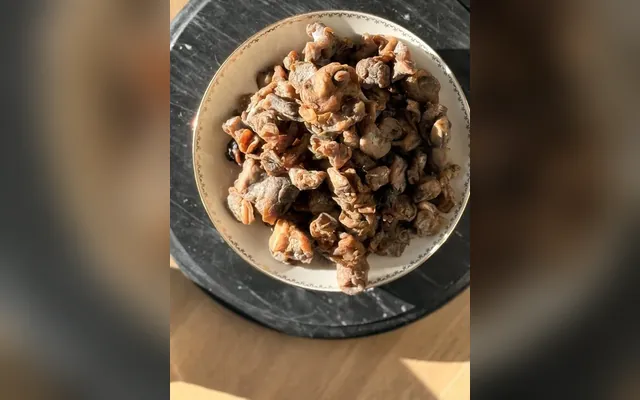
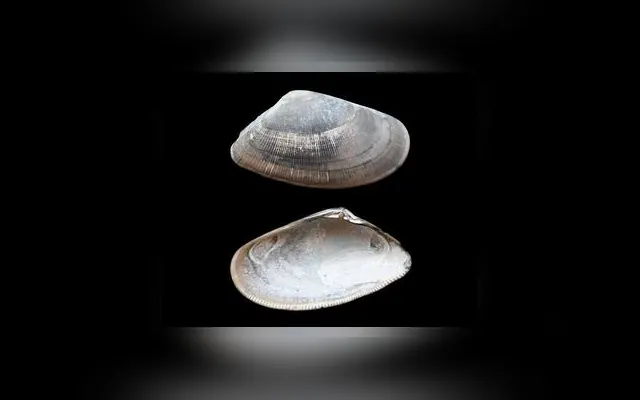
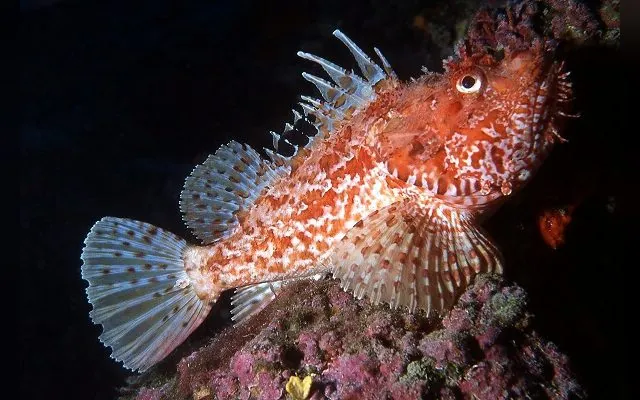
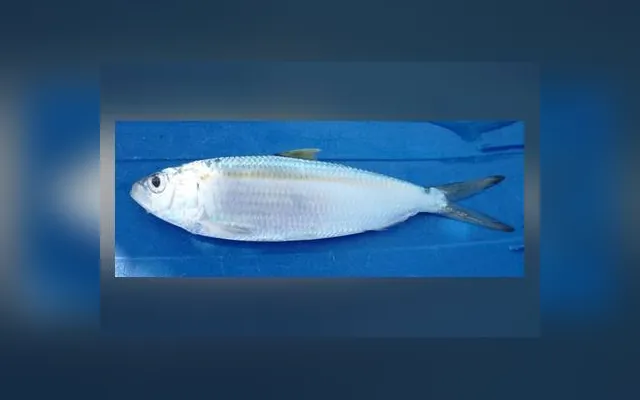
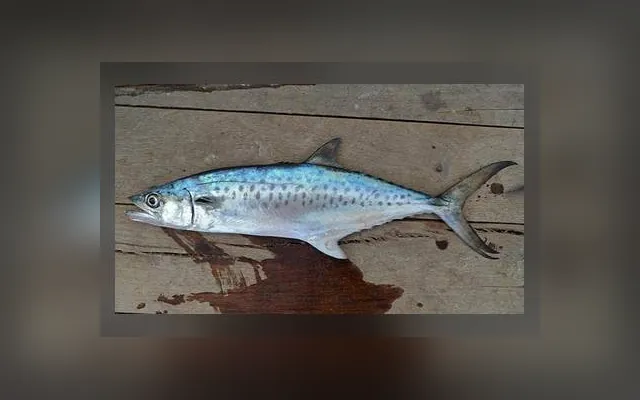
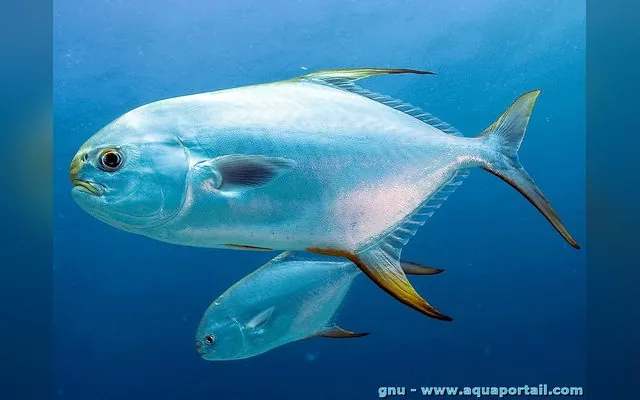
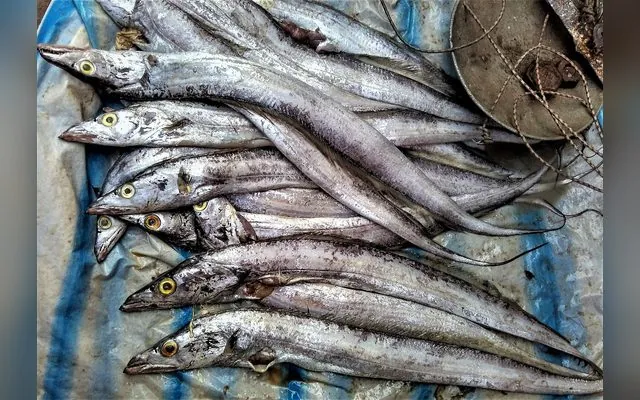
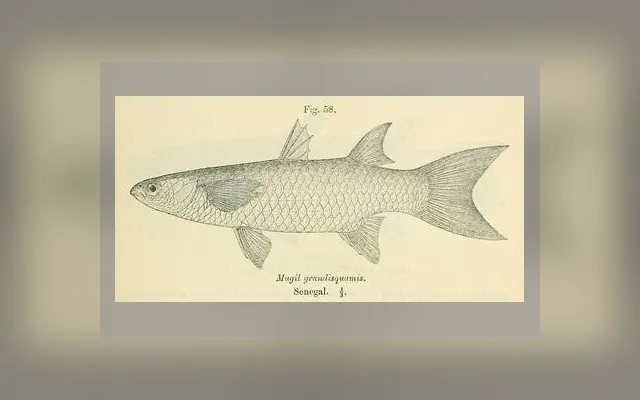
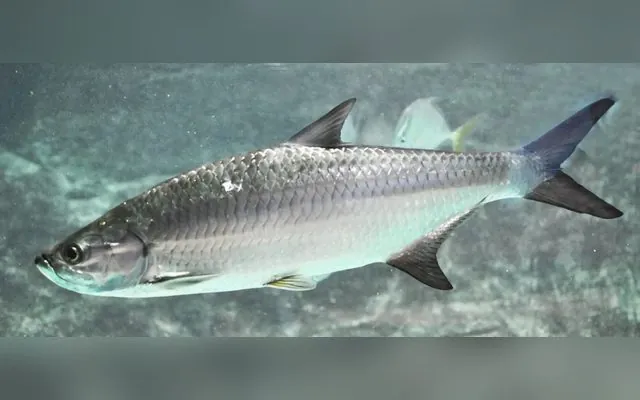
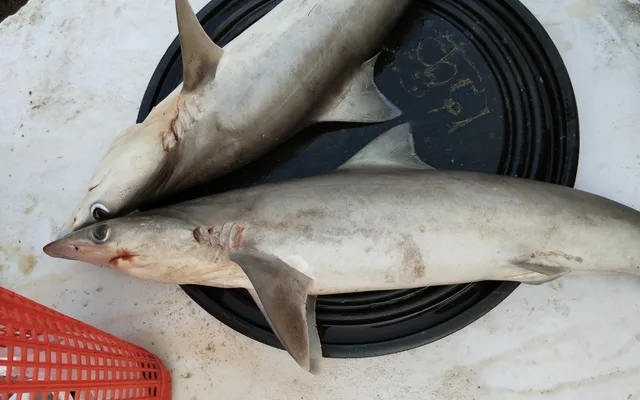
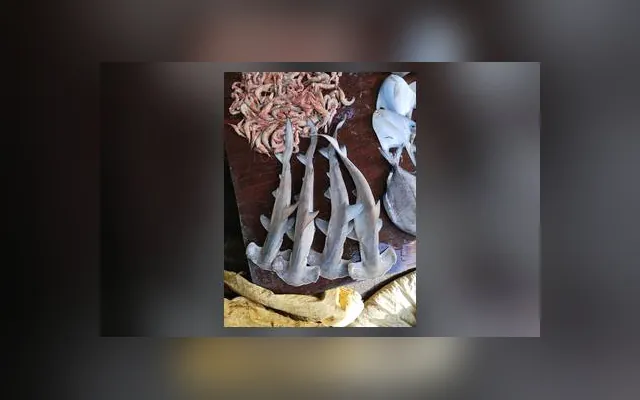
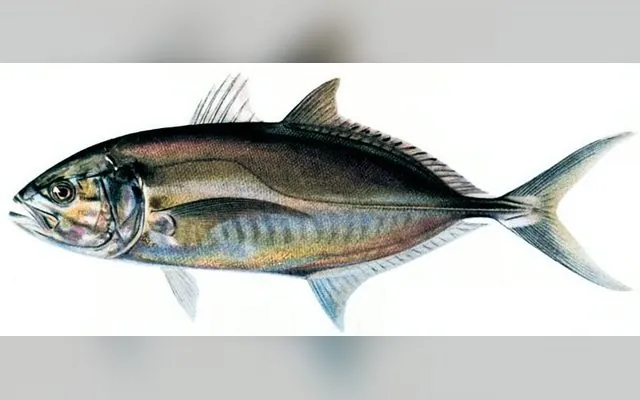
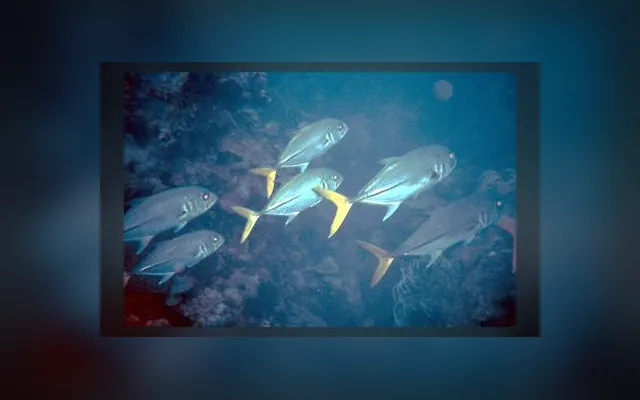
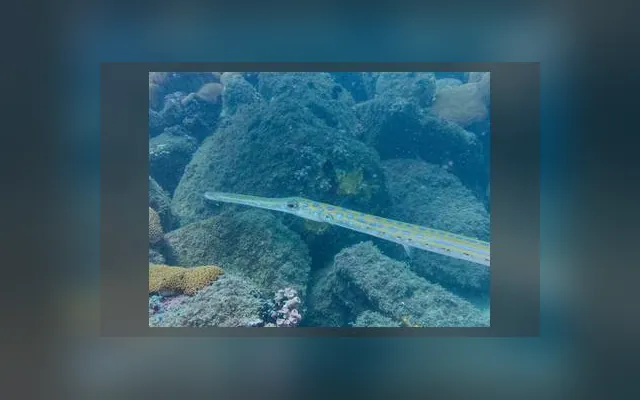
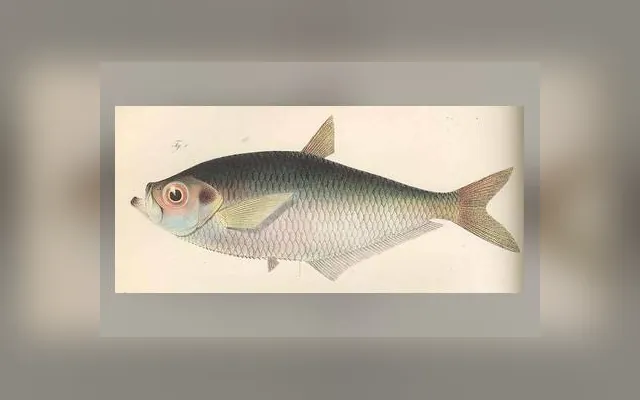
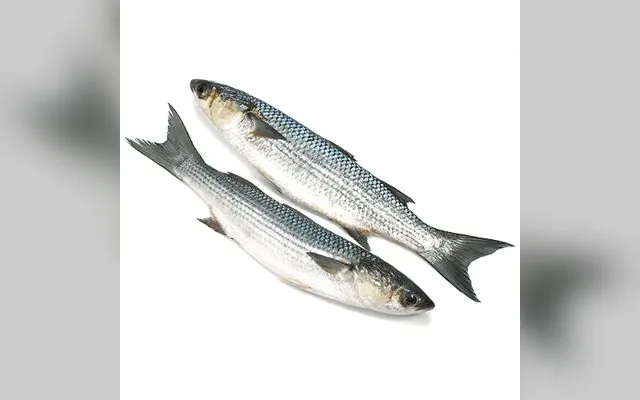
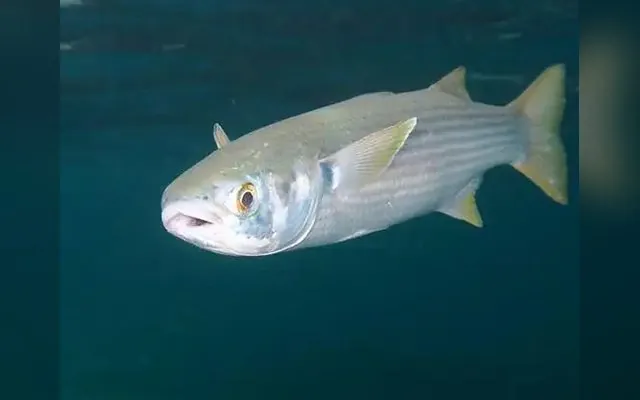
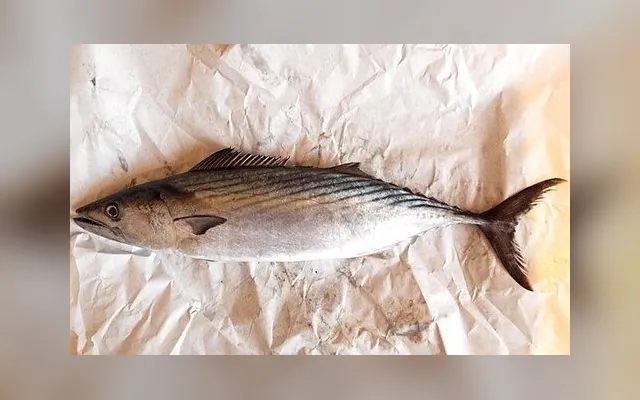
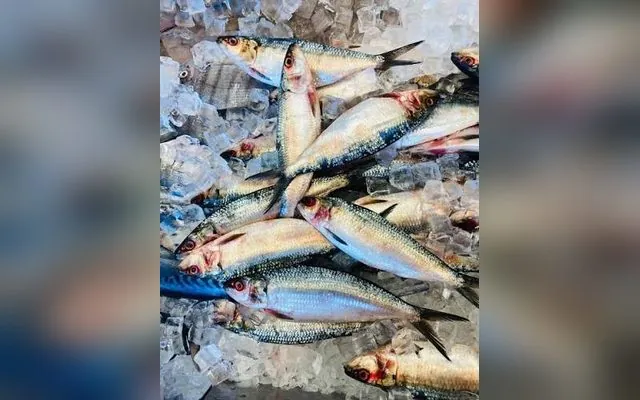
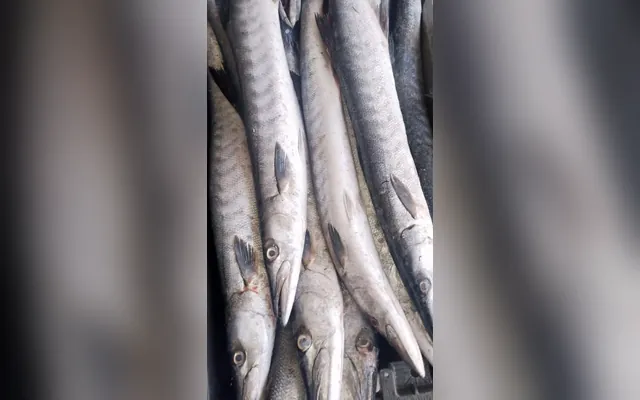
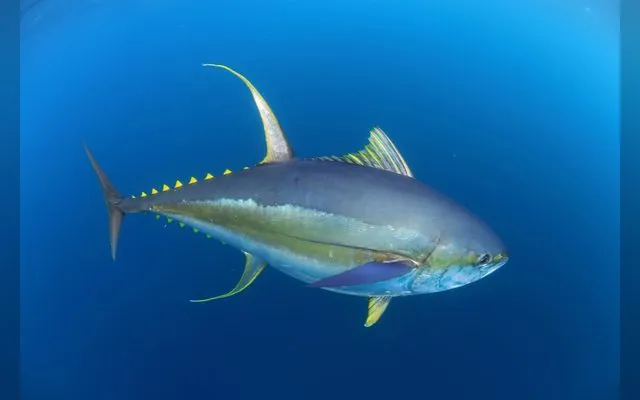
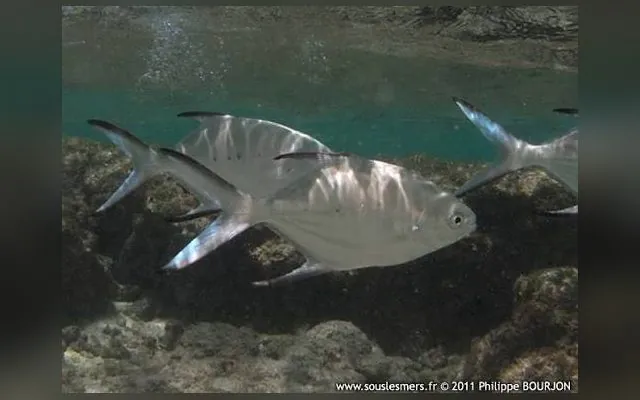
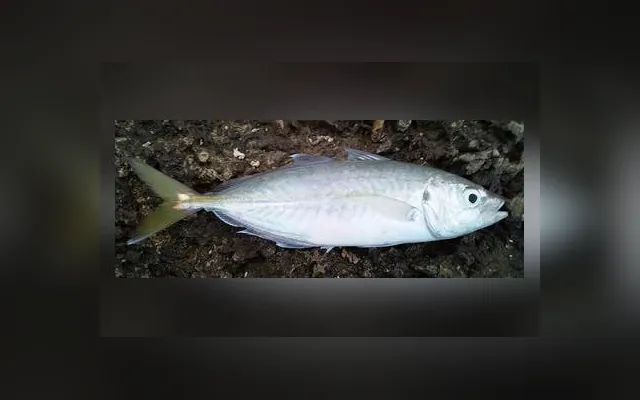
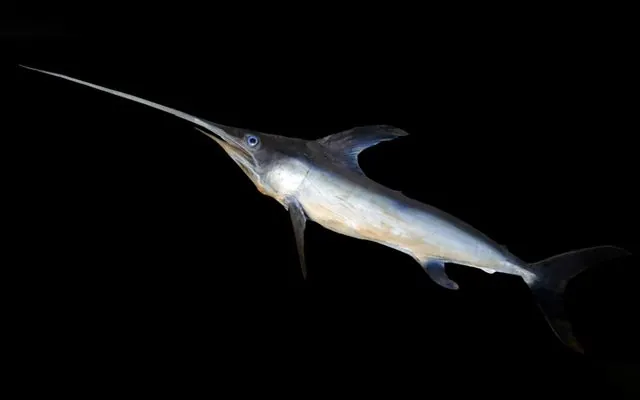
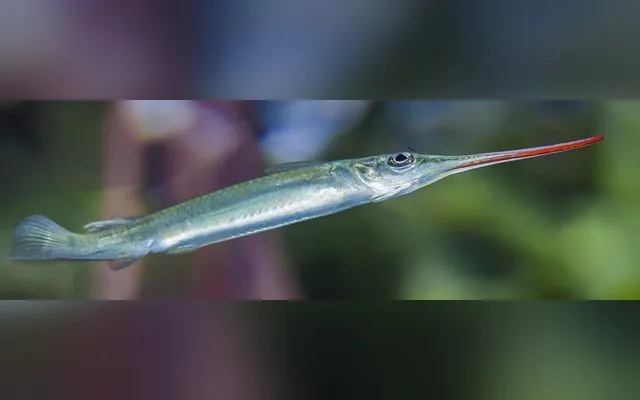
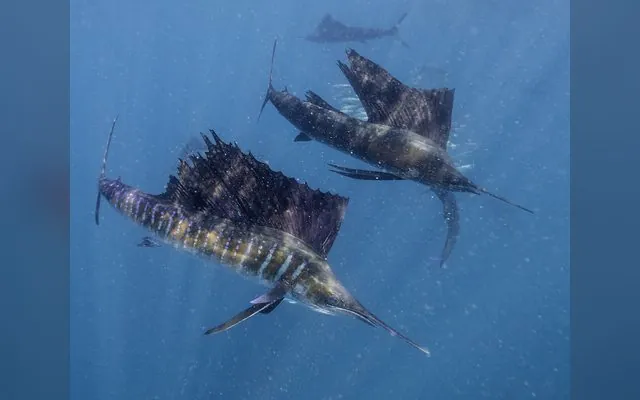
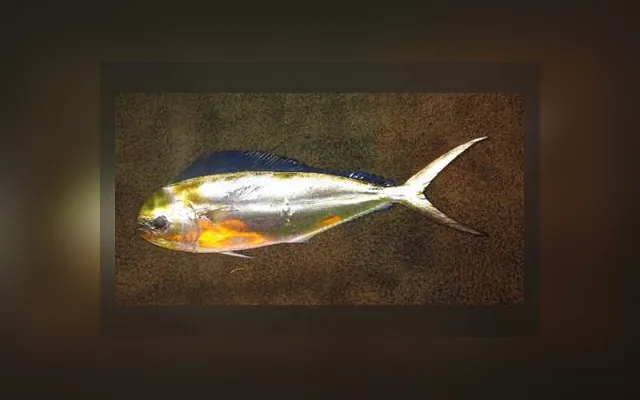
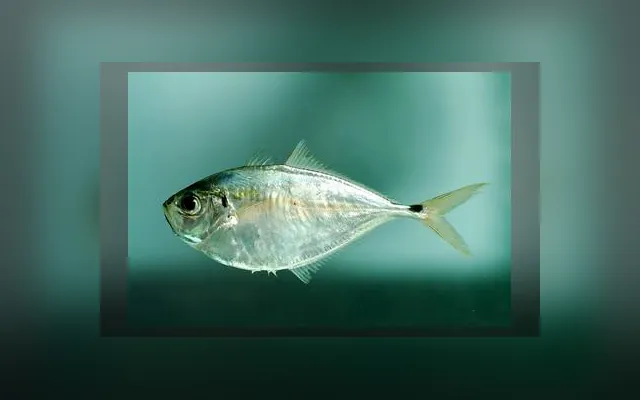
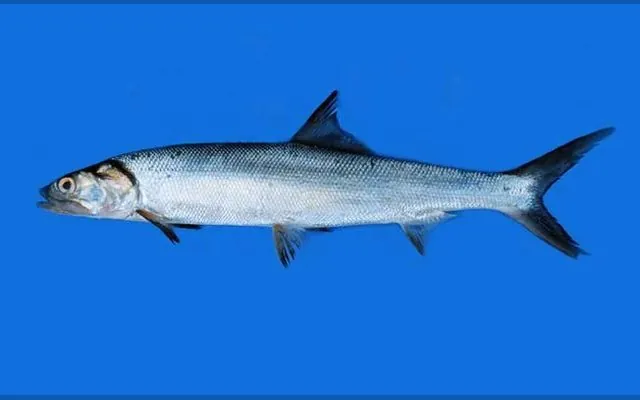
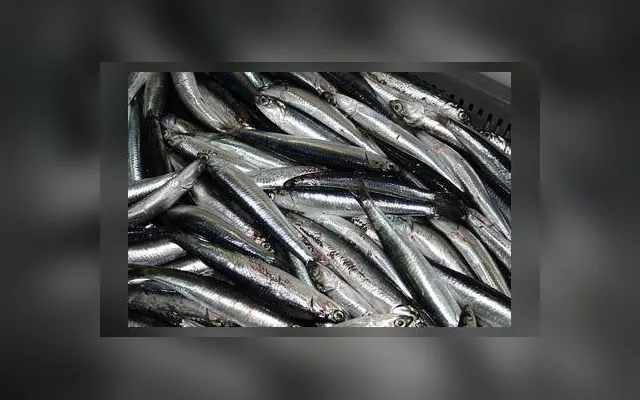
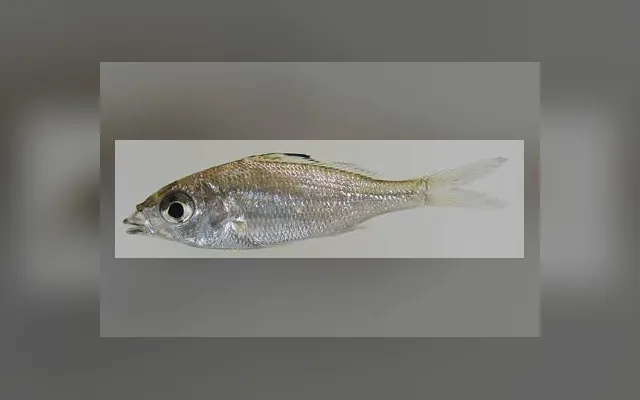
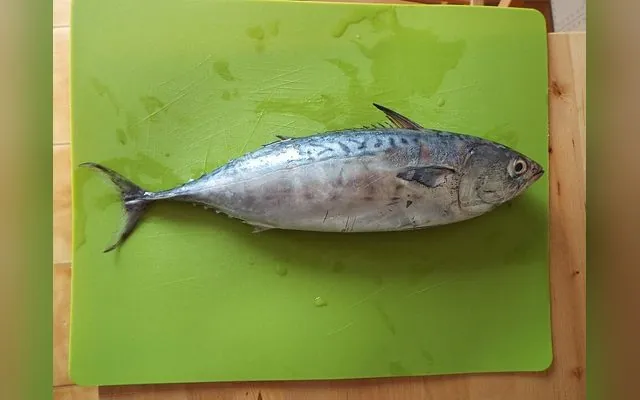
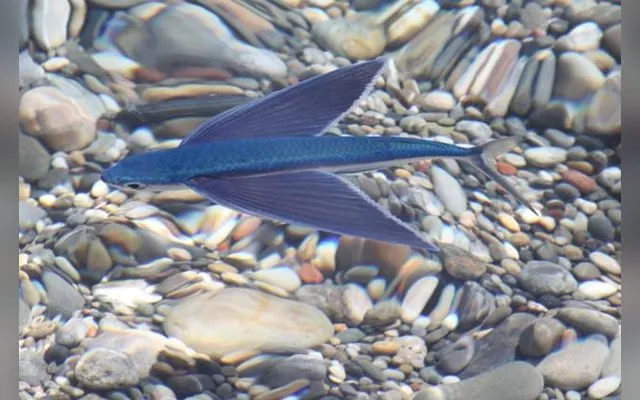
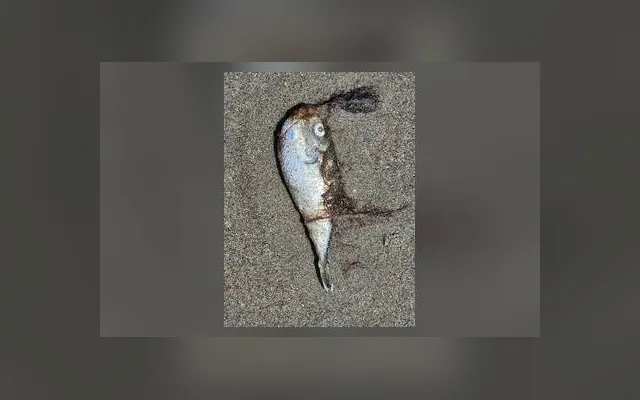
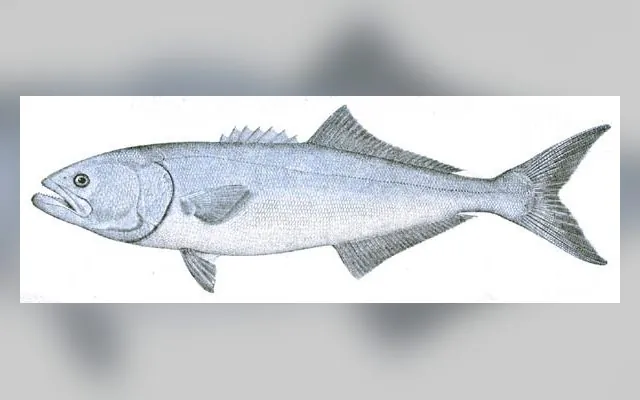
No name matches.
A chart is not the truth: it is one more source. Four names contradicted each other from one source to another. They are now settled, and in three cases out of four the disagreement was not about the species but about the word.
Our product page said “diarégne (pageot)”. That was wrong: the pandora (pageot) is the youfouf, a Lebu name, tikki in Wolof.
Diarégne comes from the Lebu jaroñ. It is the pink dentex (Dentex gibbosus), called “dent long fil” in Senegalese markets, after the filament that extends its dorsal fin. And “dent long fil” is where the “colas fil” of French fishmongers comes from.
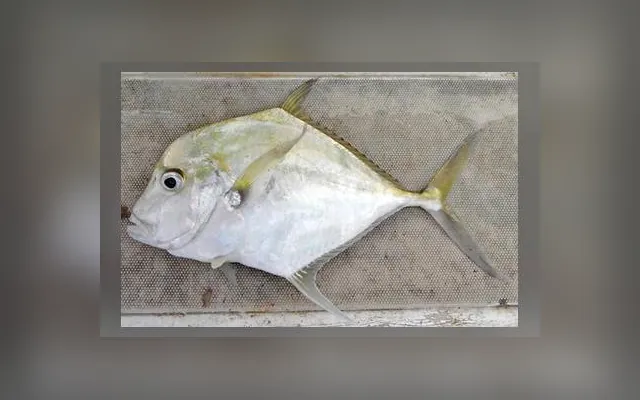
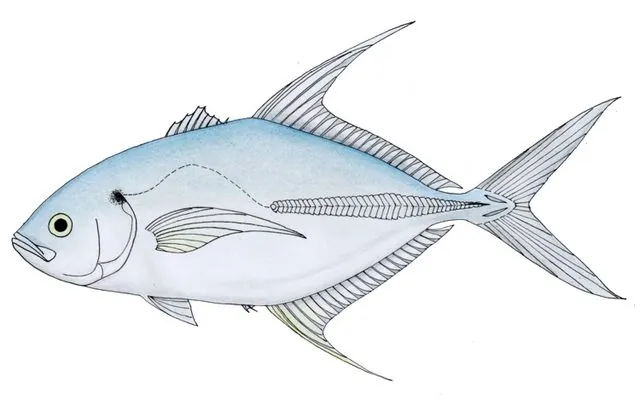
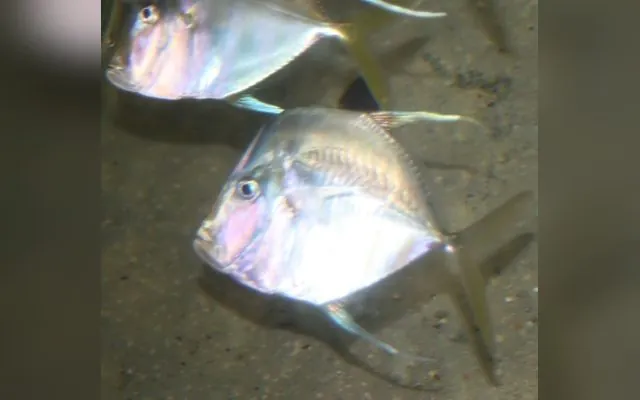
It is not a Wolof name. It is a French nickname: the diaspora does not know the fish’s name, sees that it is flat and says “plat plat” (flat flat).
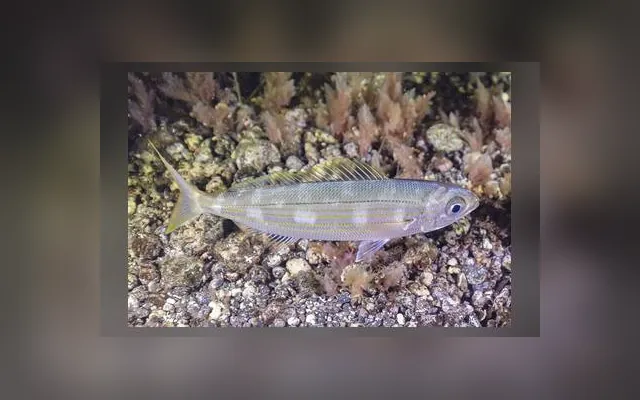
The word describes a shape, not a species, which is why the chart also gives it to Chloroscombrus chrysurus, another flat fish. The fish sold under this name is the ileer geej, the African sicklefish.
Identified on fishing footage: lamellar ridges, high spire, spiky surface. It is a murex.
Three matching clues: the shell has spikes, it must be broken to get the meat out, and it is collected with the cockles, which makes sense since the murex feeds on them. The chart calls it yooxoñ, but at Louma this word means the oysters. Same shell, two words.
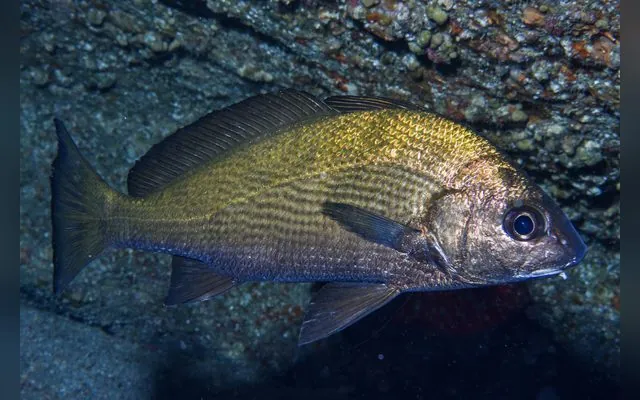
The chart and FishBase give “sompatt” to two different grunts. But FishBase gives “sompaat” and “carpe blanche” (white carp) to both.
“Sompate” is therefore a market name covering two close species, not the name of one species. There was nothing to settle.
Three of these four “contradictions” came from the same misunderstanding: a word is not a species. The chart names species; the market names shapes and uses. Both are right in their own way.
Names: CRODT charts Espèces démersales and Espèces pélagiques marines du Sénégal, FishBase Senegal, and market names validated by Lamine Faye, the Guedjologue.
Photos: Louma by Seggfaye for our shop products; Wikimedia Commons (free licences, author credited under each photo); DORIS (FFESSM), aquaportail.com, souslesmers.fr, iNaturalist and FishBase for the others. All rights remain with their authors. Are you the author of a photo and would like a different credit or its removal? Write to us, it is done within 48 hours.
A name is missing, or your village spells it differently? Tell us: the atlas grows with you.