Bouye: the baobab fruit powder Senegal drinks when it is hot
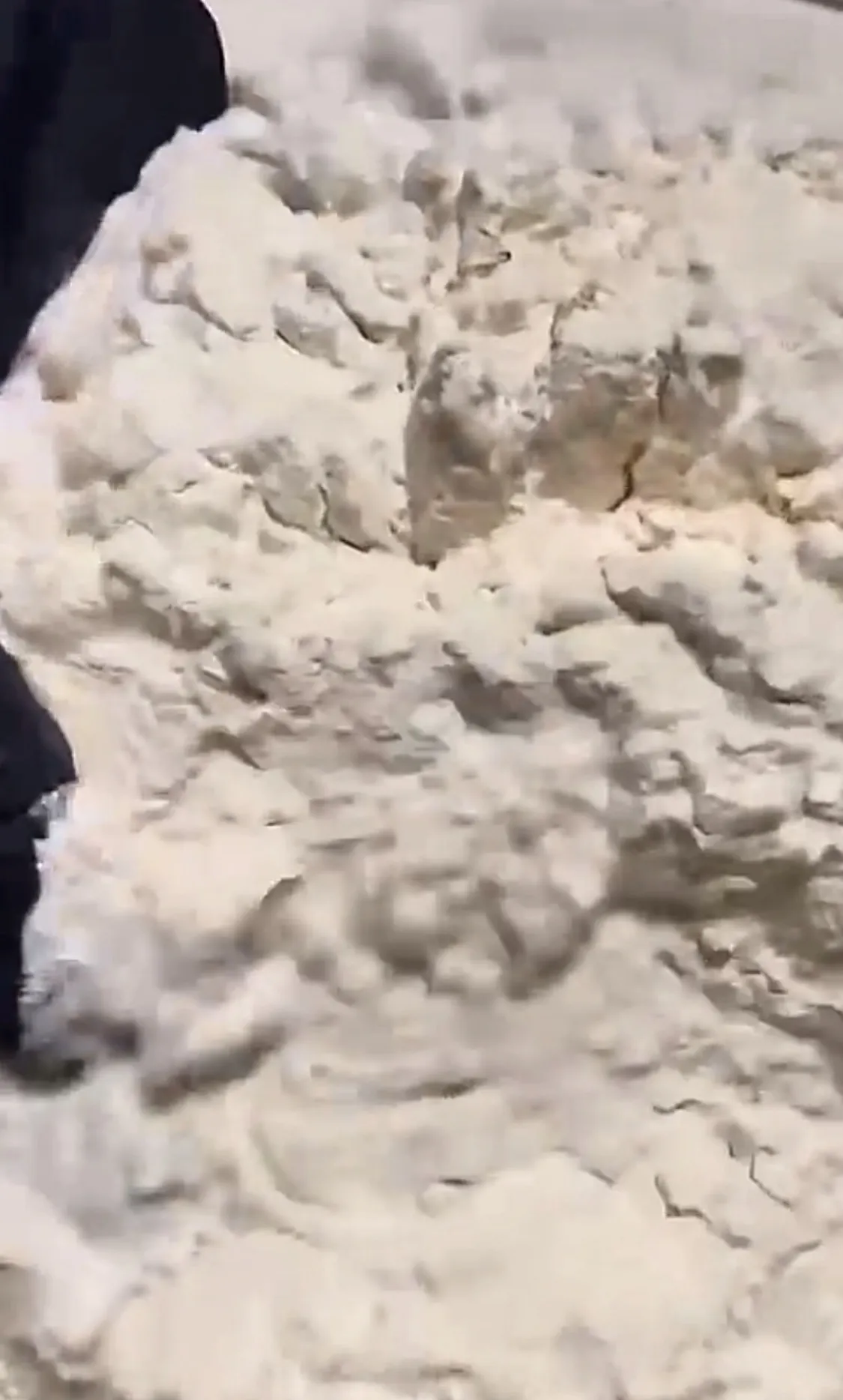
In short: the baobab fruit is called bouye in Wolof and “monkey bread” (pain de singe) in French. Its white pulp, naturally rich in vitamin C and fibre, gives baobab powder and bouye juice, the creamy, tangy drink all of Senegal drinks when it is hot. Three names, one fruit.
Everyone knows the shape of the baobab: the upside-down tree, the tree under which elders talk, the one on the postcards. But ask around: who has actually tasted its fruit? At home, the fruit has a name that makes children smile, monkey bread, and a place in everyone's memories: the glass of ice-cold bouye juice mothers make when the heat is crushing.
What is baobab fruit?
A big, hard oval shell covered in green-brown fuzz, hanging from the branches of the baobab. You crack it open and, surprise: no juicy flesh, but a white, dry, chalky pulp around the seeds, with a unique tangy taste.
That pulp is the treasure. Separated from the seeds and sifted, it becomes baobab powder, ready-to-use bouye. Naturally rich in vitamin C and fibre, with no industrial processing: the fruit does all the work, dried by the sun right on the tree.
Bouye juice: the drink of the hot season
For 1.5 litres: 100 g baobab powder, 1.5 litres cold water, 150 to 200 g sugar (to taste), vanilla. Optional: sweetened condensed milk, orange blossom water, ice.
- Mix: stir the powder into cold water (never hot, it would make lumps) until dissolved.
- Rest and strain: leave for 30 minutes so the pulp swells and releases its taste, then strain out the fibres and small seeds.
- Sweeten: add sugar and vanilla. For the version children ask for, add a dash of sweetened condensed milk: it becomes creamy like a milkshake.
- Serve: chill for at least 1 hour and serve very cold with ice.
It is the drink of the hot season and of Ramadan in Senegal, alongside bissap.
What else to do with baobab powder
- Ngalakh: the dessert of big occasions, made especially for Good Friday and shared between neighbours: sweet millet couscous with baobab powder and peanut paste, flavoured with vanilla.
- With thiakry (dégué): mixed into curdled milk with thiakry, bouye turns an ordinary dessert into a childhood memory.
- Smoothie: baobab powder, banana and milk (or juice), ready in a minute.
- Porridge: a spoonful in the morning millet porridge makes breakfast tangy and sweet.
Benefits of baobab powder
- Naturally rich in vitamin C and fibre.
- No theine, no caffeine: the whole family can drink it at any time.
- Refreshing and filling, for hot days and breaking the fast.
Bouye is a traditional food to enjoy; it does not cure any disease and does not replace medical advice.
A tree that feeds, like the néré
The baobab is one of those trees West Africa does not cut down: it feeds, it heals, it brings people together. Its dried leaves give lalo, its pulp gives bouye, its seeds are precious. It is the same respect we have for the néré tree, the source of dawadawa. A baobab can live more than a thousand years: the fruit in your glass may come from a tree that already gave a drink to your great-great-grandparents.
Where to buy baobab powder (bouye)
In our shop: bouye, baobab fruit powder straight from Senegal, the real sifted monkey-bread pulp with no additives, 6 € per 200 g.
Shipping: France and Europe from our online shop. UK from €18.99, the Americas and Asia from €35.19 with Colissimo International (tracked). See all shipping rates. We do not ship to Africa.
Frequently asked questions
What is bouye?
Bouye is the Wolof name for the baobab fruit and its powder. The white, dry pulp of the fruit is sifted into baobab powder, used for bouye juice, smoothies and desserts.
Is monkey bread the same as baobab fruit?
Yes. Monkey bread (pain de singe in French) is the baobab fruit; in Senegal it is called bouye.
How do you make bouye juice?
Mix 100 g of baobab powder into 1.5 litres of cold water, leave for 30 minutes, strain, add sugar and vanilla, optionally condensed milk, then chill and serve with ice.
What are the benefits of baobab powder?
It is naturally rich in vitamin C and fibre and contains no caffeine. It is a traditional food, not a medicine.
Where can I buy baobab powder?
Louma by Seggfaye sells bouye (baobab powder) from Senegal, 6 € per 200 g, shipped across Europe, the UK, the Americas and Asia.
Read next
Fish names in Wolof: the atlas of 77 species